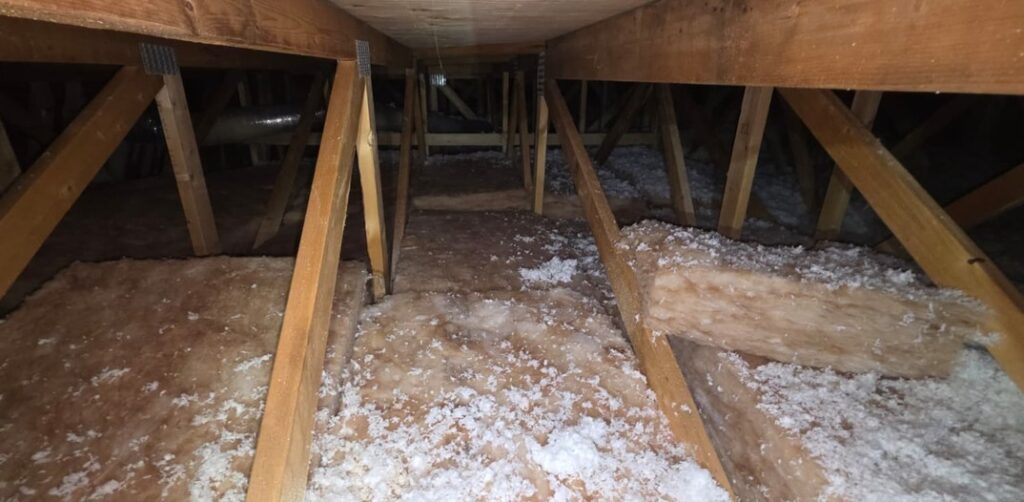
Attic insulation plays an important role in keeping Ontario homes comfortable throughout the year. When insulation becomes damaged, uneven or insufficient, homeowners may notice colder rooms, rising energy bills or moisture problems. However, these symptoms do not always mean that adding more insulation is the right solution. At Celluloseman Inc., we provide professional attic insulation services for homeowners in Toronto, Mississauga, Burlington and surrounding Ontario communities.
Some attics need additional insulation, while others require old insulation removal, mould remediation, air sealing or ventilation improvements before new material can be installed.
Recognizing the warning signs early helps homeowners understand when an attic assessment is necessary and what type of improvements may be appropriate.
What Are the Signs Your Attic Insulation Needs an Upgrade?
Common signs include uneven indoor temperatures, higher heating costs, visible insulation deterioration, moisture problems and recurring drafts.
Some symptoms develop gradually, making them difficult to recognize until indoor comfort noticeably changes.
The following signs can help homeowners determine when their attic insulation may need professional attention.
1. Uneven Temperatures Throughout Your Home
One of the most common signs of inadequate attic insulation is inconsistent room temperature.
For example, upstairs bedrooms may feel considerably colder than the main floor during winter. In summer, those same rooms may become uncomfortable despite regular air conditioning.
Heat moves through building materials when indoor and outdoor temperatures differ. Insulation helps slow this transfer.
When attic insulation is insufficient or unevenly distributed, certain areas may lose or gain heat more quickly.
However, uneven temperatures can also result from HVAC distribution problems, air leakage or other building envelope issues.
Our team evaluates the attic’s condition before determining whether additional insulation would help.
2. Higher Heating and Cooling Bills
An unexpected increase in heating or cooling costs may indicate that your home is losing conditioned air or transferring more heat than necessary.
During Ontario winters, inadequate insulation can allow more heat to escape through the ceiling.
In summer, poor attic insulation may contribute to unwanted heat entering living spaces.
Homeowners may notice:
- Longer furnace operating cycles
- Increased air conditioning use
- Higher seasonal energy consumption
- Difficulty maintaining comfortable temperatures
Energy bills alone cannot confirm an insulation problem. Weather, energy rates, thermostat settings and equipment condition also affect household costs.
An attic assessment helps determine whether insulation improvements could reduce unnecessary heat transfer.
3. Existing Attic Insulation Appears Thin or Uneven
Older homes sometimes have insulation levels that no longer meet their owners’ comfort or energy-efficiency goals.
Loose-fill insulation may settle over time, while insulation batts can develop gaps or become displaced during previous work.
Areas with inadequate coverage allow heat to move through the ceiling more easily.
Potential problems include:
- Exposed sections of the attic floor
- Uneven insulation depth
- Compressed insulation batts
- Gaps near framing and attic edges
- Insulation disturbed by previous repairs
The appropriate insulation level depends on the attic design, existing materials and applicable building requirements.
Our attic insulation contractors assess coverage and condition rather than relying on insulation thickness alone.
4. Persistent Drafts Near Ceilings and Upper Floors
Drafts can make an otherwise heated home feel uncomfortable.
Although insulation helps resist heat transfer, it does not automatically stop air from moving through openings in the building envelope.
Warm indoor air can escape into the attic through gaps around plumbing penetrations, wiring openings, attic hatches and ceiling connections.
As air escapes, outdoor air may enter through other openings elsewhere in the home.
Adding insulation over these gaps does not necessarily correct the air leakage.
A proper attic upgrade may include sealing accessible openings before new insulation is installed.
5. Moisture Stains or Damp Attic Insulation
Moisture problems require attention before any attic insulation upgrade.
Signs may include dark stains on roof sheathing, damp insulation, water marks around framing or visible condensation.
Moisture may enter the attic through:
- Roof or flashing leaks
- Air leakage from heated living spaces
- Bathroom exhaust ducts terminating in the attic
- Inadequate or obstructed ventilation
- Other building envelope defects
Wet insulation may lose effectiveness and contribute to conditions that support mould growth.
Installing new insulation over damp materials can conceal an unresolved problem.
Our professionals evaluate visible moisture concerns and recommend appropriate corrective work before reinsulation.
6. Mould Growth or Musty Odours
A persistent musty smell near the attic or upper floor may indicate a moisture problem.
Mould can develop on susceptible building materials when moisture remains present.
Although homeowners may notice odours or visible discolouration, these signs alone cannot establish the type or extent of contamination.
Professional assessment may be necessary to identify the affected materials and underlying moisture source.
Where remediation is required, affected insulation may need to be removed before the attic can be restored.
At Celluloseman Inc., our specialized attic services include mould-related remediation and insulation removal when required by the project’s conditions.
We focus on correcting the causes of attic problems rather than simply covering affected areas with new insulation.
7. Ice Dams Form Along Your Roof
Ice dams can develop when snow melts on a warmer section of the roof and refreezes near colder roof edges.
Heat escaping through the ceiling can contribute to this process.
Poor air sealing, uneven insulation and ventilation problems may influence roof temperatures.
However, ice dams can also be affected by weather conditions and roof design.
Recurring ice dams should prompt an assessment of the roof and attic system.
The solution may involve improving attic air sealing, correcting insulation gaps or addressing ventilation restrictions.
Simply adding more insulation without investigating the cause may leave the original problem unresolved.
8. Evidence of Rodents or Other Pests
Rodents and other pests can damage existing insulation by nesting, tunnelling or contaminating materials.
Possible warning signs include unusual scratching sounds, droppings, disturbed insulation or visible nesting materials.
Pest activity should be addressed before insulation improvements begin.
Depending on the condition and extent of contamination, affected insulation may need professional removal.
Homeowners should avoid disturbing contaminated materials or attempting cleanup without appropriate precautions.
Once pest entry points and related concerns have been addressed, the attic can be evaluated for insulation replacement.
9. Your Attic Contains Older or Unknown Insulation
Older Ontario homes may contain insulation materials that require special consideration before renovation.
One example is vermiculite insulation, which may be present in some older attics.
Certain vermiculite products were contaminated with asbestos. Disturbing potentially contaminated material can release hazardous fibres into the air.
Homeowners should not move, sweep, vacuum or disturb suspected vermiculite insulation.
Professional assessment is important before proceeding with removal or adding new insulation.
Our team has experience with specialized vermiculite removal and attic remediation projects, including situations where several attic concerns must be addressed together.
When Should Old Attic Insulation Be Removed Instead of Topped Up?
Not every insulation upgrade requires complete removal.
Dry, uncontaminated insulation that remains in suitable condition may sometimes be retained and supplemented with additional insulation.
However, removal may be necessary when existing materials are:
- Severely damaged by moisture
- Contaminated by mould or pests
- Affected by hazardous materials
- Significantly deteriorated
- Preventing access to underlying attic problems
The decision depends on the existing insulation material, attic conditions and the work required.
Why Removing Damaged Insulation Matters
Covering deteriorated insulation with new materials can make it harder to identify and correct existing problems.
Removing unsuitable materials allows professionals to inspect accessible attic surfaces and evaluate conditions that were previously concealed.
According to Natural Resources Canada’s guidance on roofs and attics, homeowners should examine insulation for moisture, deterioration and contamination. Existing moisture problems should be corrected before additional insulation is installed.
A proper assessment helps determine whether an insulation top-up or a more comprehensive attic restoration is appropriate.
How Specialized Attic Insulation Removal Supports a Better Upgrade
For homes with damaged or contaminated insulation, the quality of the removal process is particularly important.
Removing old insulation can provide access to air leakage points, ventilation openings and damaged materials that would otherwise remain hidden.
Celluloseman Inc. uses specialized, high-powered vacuum removal equipment to support controlled insulation removal.
Our approach is designed to manage the work carefully and prepare the attic for necessary improvements.
Addressing Mould, Vermiculite and Related Attic Problems
Some attic projects involve several problems at once.
For example, an older home may contain vermiculite insulation alongside moisture damage or suspected mould growth.
These conditions require an appropriate assessment and carefully planned work sequence.
Our team has specialized experience in attic remediation, including mould-related work and asbestos-related vermiculite removal.
Where asbestos-containing materials are identified or reasonably suspected, the work must follow applicable Ontario requirements for assessment, containment, removal and disposal.
This coordinated approach is valuable for homeowners, general contractors and restoration companies managing complex attic projects.
Why Air Sealing and Ventilation Should Come Before Reinsulation
Replacing insulation without addressing underlying attic problems can limit the effectiveness of an upgrade.
Air leakage and ventilation concerns should be evaluated before the attic floor is covered again.
Correcting Air Leakage Around Attic Openings
Air sealing helps reduce unwanted airflow between conditioned living areas and the attic.
Common leakage locations include attic access hatches, plumbing penetrations, mechanical openings and ceiling connections.
Where accessible and appropriate, sealing these openings can help reduce heat loss and moisture movement.
Special attention is required around chimneys, flues and heat-producing equipment because suitable materials and clearances must be maintained.
Checking Existing Attic Ventilation
Conventional vented attics rely on correctly designed ventilation pathways to help manage roof-space conditions.
Insulation should not obstruct necessary soffit vents or other intended airflow paths.
Our team assesses visible ventilation concerns and identifies conditions that should be corrected before installing new insulation.
Some roof assemblies use different ventilation approaches, so recommendations must reflect the actual construction.
What Happens During a Professional Attic Insulation Upgrade?
A professional insulation upgrade should begin with an assessment rather than an assumption that every attic simply needs more insulation.
At Celluloseman Inc., we focus on preparing the attic properly before completing the insulation installation.
Step 1: Assess Existing Attic Conditions
We inspect accessible insulation areas and evaluate visible concerns involving moisture, air leakage, ventilation and material condition.
The assessment helps establish whether the project requires a top-up, removal, remediation or other corrective work.
Step 2: Remove Unsuitable Insulation
Where removal is necessary, our team uses specialized equipment and work practices appropriate to the materials involved.
Hazardous-material projects require additional controls and procedures.
Controlled removal provides access for further inspection and preparation.
Step 3: Address Pre-Existing Attic Problems
Before reinsulation, we identify applicable air sealing requirements, ventilation concerns and remediation needs.
Some repairs may require coordination with other qualified trades.
This preparation helps prevent new insulation from concealing unresolved conditions.
Step 4: Install the Appropriate Insulation
Once the attic is ready, insulation can be installed to the specified requirements.
Depending on the project, this may involve adding insulation to suitable existing materials or installing new insulation after removal.
Our team focuses on consistent coverage, appropriate installation depth and maintaining required ventilation and safety clearances.
Step 5: Review the Completed Work
After installation, we review the completed work against the agreed project scope.
This includes checking accessible insulation coverage and relevant installation details.
Our insulation services are backed by an applicable one-year work guarantee, subject to its terms.
Choosing an Attic Insulation Contractor in Ontario
When an attic contains moisture damage, mould, vermiculite or deteriorated insulation, selecting the right contractor involves more than comparing installation quotes.
Homeowners should look for a company that understands how insulation interacts with air leakage, ventilation and existing building conditions.
Important considerations include:
- Experience with attic insulation removal
- Specialized vacuum removal equipment
- Appropriate remediation qualifications
- Knowledge of hazardous-material procedures
- Experience identifying air leakage and venting concerns
- Clear project scopes and warranty information
- Ability to coordinate multiple attic improvement services
A home insulation company that evaluates the complete attic can recommend work based on the property’s condition rather than relying on a standard installation approach.
Upgrade Your Attic Insulation With Professional Help
Recognizing the signs of inadequate attic insulation is the first step toward improving your home’s comfort and energy performance. Uneven temperatures, damaged insulation, moisture concerns and persistent drafts may indicate that your attic needs attention.
At Celluloseman Inc., we help homeowners in Toronto, Mississauga, Burlington and surrounding Ontario communities with attic insulation, specialized removal and related remediation services. Our team focuses on addressing existing attic problems before completing the reinsulation process.
If you have noticed warning signs in your attic or are considering an insulation upgrade, contact us to arrange an assessment and discuss the appropriate solution for your home.