Some rooms in a home just never seem to feel right. The bedroom stays chilly no matter how high the thermostat is turned up. The home office feels draughty in winter. A living room needs a blanket on the coldest nights of the year, even with the furnace running. In some homes, the issue is not the furnace or the windows but what is missing, or what has broken down, inside the walls.
Our team spends a great deal of time in homes across Toronto, Mississauga, Burlington, and the surrounding Ontario communities, and wall insulation concerns come up again and again. Below, our professionals walk through what wall insulation actually does, how to recognize the warning signs, why the material alone is not the whole story, and why the quality of the installation matters just as much as the product going into the wall.
What Wall Insulation Does for a Home
Wall insulation sits inside the cavities of exterior walls, working as a barrier that slows the movement of heat between the inside of a home and the outside air. In winter, it helps keep warmth in. When wall insulation is missing, thin, or has settled over time, rooms along exterior walls tend to feel noticeably colder or warmer than the rest of the house.
This is one reason wall insulation is treated as a serious factor under Ontario’s building requirements, not just an optional upgrade. Homeowners looking for background on insulation standards and heat loss in Canadian housing can review the Natural Resources Canada guide on home retrofit projects, insulation, and air sealing improvements, available on the Government of Canada’s website, which covers insulation performance for walls, attics, and basements across different Canadian climates.
Wall Insulation in Older Versus Newer Homes
A common misconception is that only older homes need to worry about wall insulation. That is not the case.
- Older Ontario homes often have wall cavities with minimal insulation, or insulation that has settled, shifted, or become damaged by moisture over the years.
- Newer homes are not automatically exempt either. Construction shortcuts, gaps around wiring and plumbing penetrations, or compressed insulation can all reduce performance even in a home built within the last decade.
Either way, wall insulation is worth reviewing whenever a room is behaving differently than the rest of the house.
Common Types of Wall Insulation Materials
Homeowners often ask what actually goes inside a wall once it has been opened up or accessed through a blown-in method. A few materials come up most often in Ontario homes:
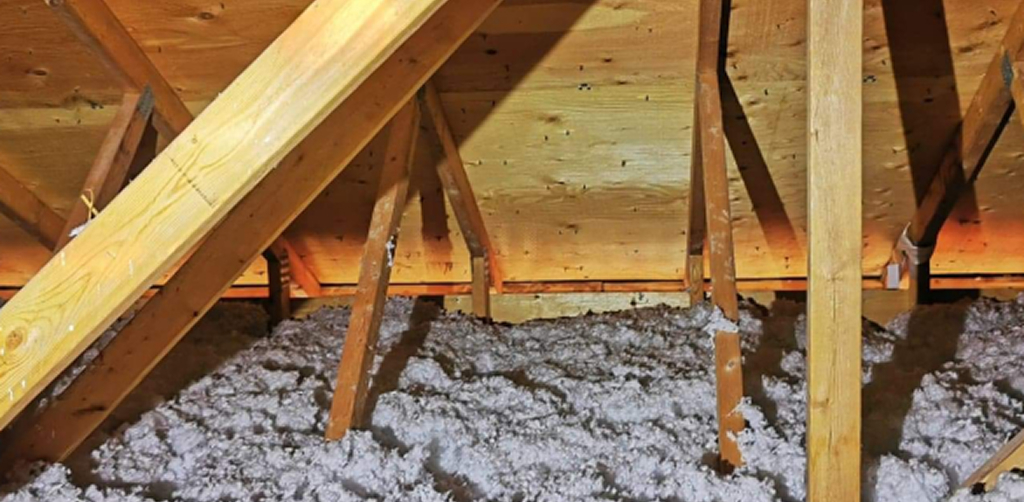
- Cellulose insulation, made largely from recycled paper fibre treated for fire and pest resistance, which is commonly blown into closed wall cavities without needing to remove drywall.
- Fibreglass batts, a familiar option often used in open wall cavities during a renovation, when the studs are already exposed.
- Spray foam, which expands to fill gaps and can double as an air barrier, though it tends to come with a higher upfront cost and requires more preparation to install.
Each material has its own strengths depending on the wall type, the home’s age, and whether the cavity is open or closed. Rather than defaulting to a single product for every job, a proper wall insulation assessment should weigh these factors against the specific conditions found in each home.
Signs Wall Insulation May Need Attention
Most homeowners do not think much about what is inside their walls until a room becomes noticeably uncomfortable. Our professionals generally recommend a closer look at wall insulation when a homeowner notices:
- A bedroom that feels colder than the rest of the home during winter
- A home office that never seems to hold a steady temperature
- Rooms where the thermostat needs constant adjusting
- Family members who naturally avoid a specific room
- Higher than expected heating or cooling costs
- Outside noise or temperature changes that feel more noticeable indoors than they should
When any of these signs show up along exterior walls, wall insulation is often part of the explanation.
How Wall Insulation Supports Everyday Comfort
The value of wall insulation is not really about the wall itself. It is about how the rooms behind that wall feel to live in every day. Homeowners who invest in wall insulation are usually working toward:
- More consistent temperatures in bedrooms and living areas
- A home office that stays comfortable through a full workday
- Fewer cold spots near exterior walls
- Less reliance on space heaters or extra layers indoors
- Lower strain on the heating and cooling system, which can help with energy costs over time
Because so much day-to-day life happens in these rooms, even a modest improvement in wall insulation can have an outsized effect on comfort.
Wall Insulation and Ontario’s Climate Reality
Ontario winters are long, and summers can bring stretches of high humidity and heat. Wall assemblies in this climate are asked to do a lot of work throughout the year, holding heat in during January and keeping it out in July. Poorly performing wall assemblies do not just make a room uncomfortable; when air leakage, vapour control, and insulation problems are present, they can also increase the risk of condensation and other moisture-related issues.
This is part of why professional wall insulation work in Ontario focuses on more than simply filling a cavity with material. Considerations such as vapour control, air sealing around penetrations, and appropriate material selection for the specific wall assembly all play a role in how well the finished job performs over the coming years.
Choosing the Right Wall Insulation Approach
Not every wall cavity calls for the same solution. Our team factors in several variables before recommending an approach, including:
- The age and construction type of the home
- Whether the wall cavity is open (during a renovation) or closed (requiring a blown-in approach)
- Existing insulation conditions, including settling, moisture, or pest damage
- The specific rooms where comfort concerns have been reported
A thoughtful, room-by-room assessment tends to produce better long-term results than a one-size-fits-all approach to wall insulation.
Why Professional Installation Matters
Wall insulation work happens inside occupied living spaces, which is different from many other home improvement projects. Bedrooms, home offices, and living rooms are rooms people use every single day, so how the work is carried out matters just as much as the insulation material itself.
Our team at Celluloseman approaches every wall insulation project with organized work practices designed to keep homes cleaner and more manageable throughout the job. This includes controlled work areas, WHMIS-certified technicians, and a one-year work guarantee on completed projects. Homeowners across Toronto, Mississauga, Burlington, and surrounding Ontario communities continue to choose our team because comfort improvements should not come at the cost of a disruptive experience inside the home.
There is also a practical reason quality installation matters so much with wall insulation specifically: unlike an attic, a wall cavity is largely hidden once the job is finished. Gaps, compressed material, or missed sections are not easy to spot after the fact, which is why a careful, methodical approach during installation makes such a long-term difference in how a room performs.
A Few Practical Steps Before Booking an Assessment
Before reaching out for a wall insulation assessment, it can help to do a bit of homework first:
- Note which rooms feel off. Being specific about which bedroom, office, or living space feels uncomfortable helps a technician focus the assessment.
- Track the pattern. Is the discomfort worse in winter? Does it happen at certain times of day?
- Check for related signs. Musty smells, visible drafts, or higher utility bills can all point toward the same underlying issue.
- Think about upcoming renovations. If walls are already being opened for another project, that can be an efficient time to address insulation at the same time.
Bringing this information to an assessment often leads to a more accurate recommendation and a smoother project overall.
Moving Forward with Wall Insulation
Comfort issues tied to exterior walls tend to get worse, not better, if they are left alone. A bedroom that feels slightly cold this winter can become a room the household avoids altogether within a few years. Addressing wall insulation early, with a properly assessed and professionally installed solution, tends to be the more practical and cost-effective path.
Our company has spent years working inside homes across Southwestern Ontario, helping homeowners turn uncomfortable rooms into spaces the whole household actually wants to use. If a bedroom, office, or living room in your home has never quite felt right, our team is glad to take a closer look and talk through what wall insulation could mean for your specific space.
To learn more about how Celluloseman approaches insulation projects across Ontario, or to book a site review, reach out through our Contact Us page, and our team will be happy to help.